
Articles
How to Verify Coconut Charcoal Quality Before Shipment
Admin ·
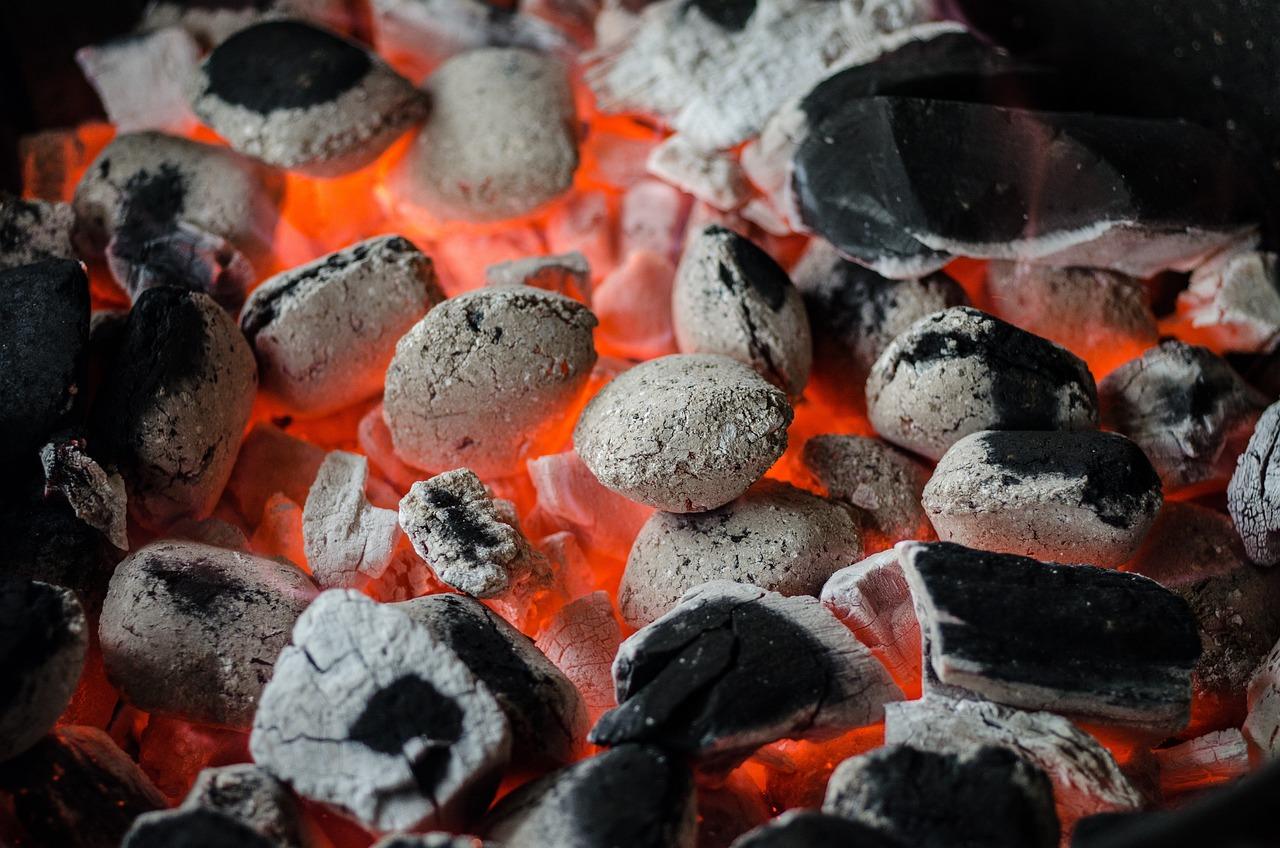
How do you verify coconut charcoal quality before shipment?
You verify coconut charcoal quality by combining three checks. First, a lab proximate analysis covering fixed carbon, ash, moisture, volatile matter and calorific value. Second, practical burn and ignition tests on samples. Third, a pre-shipment inspection of size, shape and packing.
Compare every result against the agreed specification sheet for the specific product and grade. General claims such as "premium" or "low ash" are not a benchmark.
Verification works best in three stages:
Before the order: review specs and test samples.
Before production is released: confirm the approved reference sample and the contract terms.
Before loading: inspect, retest and document.
PT Sembada Niaga Nusantara shares its specifications openly. On request, we aim to support testing and inspection led by the buyer.
Which specifications should you check for shisha and BBQ briquettes?
The specifications to check depend on the product. Shisha cubes have tighter limits on ash and volatile matter. BBQ briquettes allow a wider ash range and include larger hexagonal sizes for longer burns.
Parameter | Coconut Shell Shisha Charcoal Cubes | Coconut Charcoal BBQ Briquettes |
|---|---|---|
Raw material | 100% coconut shell charcoal | Coconut shell charcoal |
Shape | Cube | Cube and hexagonal |
Sizes | 25 × 25 × 25 mm; 26 × 26 × 26 mm | Cube 25 × 25 × 25 mm, 26 × 26 × 26 mm; Hexagonal 5 × 10 cm, 5 × 15 cm |
Fixed carbon | 80–85% | 75–85% |
Ash content | Max 2.5% | 6.2–15% |
Moisture content | Max 5% | Max 7% |
Volatile matter | Max 15% | Not specified |
Calorific value | 7,200–7,600 kcal/kg | 6,998–7,600 kcal/kg |
Burn time | 25 mm: approx. 2–2.5 h; 26 mm: approx. 2.5–3 h | Cube 25 mm: approx. 2–2.5 h; Cube 26 mm: approx. 2.5–3 h; Hex 5 × 10 cm: approx. 4–5 h; Hex 5 × 15 cm: approx. 5–6 h |
Ignition time | Approx. 1–5 min on an electric stove | Approx. 1–5 min on an electric stove |
Why do the ranges differ?
The two products serve different end uses. Shisha users notice ash and odor directly in the bowl, so low ash and low volatile matter matter most. For BBQ, heat output and burn duration come first.
Agree on the exact grade and size before testing. This ensures results are judged against the correct specification.
What does a coconut charcoal lab analysis measure?
A coconut charcoal lab analysis is a proximate analysis plus a calorific value test. Each parameter tells you something specific about performance:
Fixed carbon: the main indicator of heat and burn duration.
Ash content: the residue left after burning. It is critical for shisha, where our cube spec sets a maximum of 2.5%.
Moisture content: affects ignition, weight accuracy, and the risk of mold or breakage in transit.
Volatile matter: linked to smoke and odor during burning.
Calorific value (kcal/kg): the energy output of the charcoal.
Practical points for lab testing
Ask which test method the lab used.
Ask on what basis results are reported, for example "as received" or "dry basis." The same sample can show different figures on each basis.
Where possible, use an independent third-party lab that the buyer chooses or approves.
How should you request and test charcoal samples?
Request samples of the exact product, grade and size you intend to order. Record the sample reference so that production can later be compared against it.
Run practical tests alongside the lab work:
Ignition time: approx. 1–5 minutes on an electric stove, per spec.
Burn time by size: for example, shisha 26 mm should burn approx. 2.5–3 h, and BBQ hexagonal 5 × 15 cm approx. 5–6 h.
Smoke, odor and sparks: both products are specified as odorless, smokeless and spark-free.
Ash: note its color and amount.
Test under conditions that match end use: a hookah bowl for cubes and a grill for briquettes. Once you approve a sample, treat it as the reference standard and write it into the contract.
What should a briquette inspection before shipment include?
A pre-shipment inspection should cover physical condition, a retest of key parameters, packing and the container.
Visual and physical checks
Uniform shape and dimensions against spec: 25 × 25 × 25 mm, 26 × 26 × 26 mm, 5 × 10 cm or 5 × 15 cm.
Cracks, broken pieces and fines.
Surface finish.
Sampling and retest
Draw random samples across cartons for a lab retest of moisture and ash. These are the parameters most likely to shift between sample approval and loading.
Packing and container checks
Box with inner plastic, intact.
Labeling and carton count match the order.
Container is clean and dry, and its loading condition is documented with photos.
On request, the inspection can be carried out by the buyer, the buyer's agent or a third-party inspection company.
How can you verify a briquette supplier, not just the product?
Verifying a supplier means checking how openly it shares data and how readily it allows independent checks.
Ask for full written specifications for each grade. Check that the figures are consistent across all documents.
Confirm the raw material claim (coconut shell charcoal) and the no-additives claim, then verify both through testing.
Check whether the supplier accepts third-party lab testing and pre-shipment inspection without conditions.
Clarify order terms early. For both products, the MOQ is 1 × 20 ft container and packing is a box with inner plastic.
Treat transparency, meaning a willingness to share data and allow checks, as a key selection criterion.
How do you build quality checks into the purchase agreement?
Build quality into the contract by making specifications, methods and responsibilities explicit before production starts.
Attach the specification sheet and the approved sample reference to the contract.
Define acceptable ranges, test methods, and the lab or inspector to be used.
Agree on who arranges and pays for inspection and testing.
Set out the process to follow if results fall outside spec before loading.
Keep retained samples from each shipment for later comparison.
Practical checklist: verifying coconut charcoal step by step
- Confirm the product, grade and size.
- Review the specification sheet.
- Request and test samples, both in a lab and in practical use.
- Approve a reference sample.
- Agree on contract terms for quality.
- Run the pre-shipment inspection and retest.
- Check packing and loading.
- Keep records and retained samples.
Request specifications, samples or a quote
PT Sembada Niaga Nusantara supplies Coconut Shell Shisha Charcoal Cubes and Coconut Charcoal BBQ Briquettes from Indonesia. Contact us to request a specification sheet, samples of a specific grade, or a quote. On request, we can also discuss arrangements for third-party testing and pre-shipment inspection.